 By
By
-2.png)
The automotive industry in Latin America is undergoing a significant transformation phase. With the arrival of new global players, regional initiatives, and growing interest in electric mobility, a market traditionally dominated by major automakers is facing renewed dynamics. In this new landscape, strategic partnerships have become more than a competitive advantage — they are almost a mandatory condition for entering and establishing a strong presence in the region.
Global attraction to an emerging market
After a period of more moderate investment, Latin America is once again attracting the attention of major brands. Factors such as growing demand for electrified vehicles, an aging fleet, and local production opportunities are among the main drivers of this movement.
International groups see the region not only as an important consumer market, but also as a platform for expansion and testing new business models — especially in electrification and connected mobility.
Major entries and partnerships
One of the most relevant moves was the rapprochement between the French automaker Renault and the Chinese Geely, which consolidated their strategic cooperation in Brazil. Geely acquired a 26.4% stake in Renault do Brasil, starting to produce and sell vehicles — especially low- or zero-emission models — in the country, using Renault’s already established production and distribution network.
This alliance has a direct impact on both companies’ global expansion strategy in Latin America and demonstrates how equity agreements and shared industrial infrastructure can accelerate the introduction of new products into the regional market.
Another significant example is the strategy of GAC (Guangzhou Automobile Group) in Brazil, which presented its “Brazil Action Plan” with the launch of five models (including electric and hybrid vehicles) and an intention to accelerate investments that may lead to local production in the near future. GAC’s active presence reflects an entry model that combines product launches, dealer network development, and institutional alliances — rather than relying solely on exports.
Investments and local reinforcements
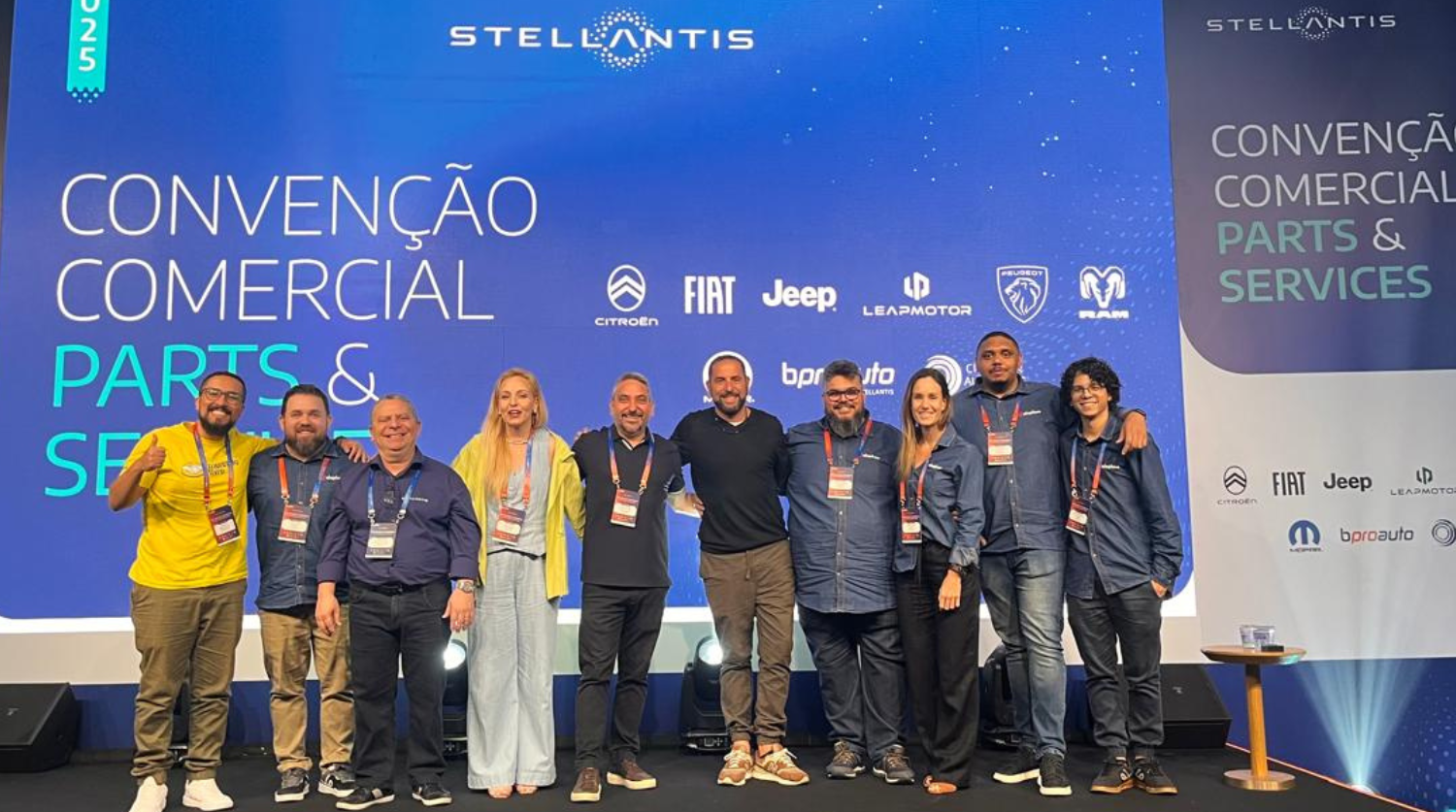
The presence of major international groups in Latin America has also been marked by structural investments. Stellantis, for example, announced a record €5.6 billion investment in South America between 2025 and 2030, focusing on the production of more than 40 new products and local decarbonization technologies. This investment not only reaffirms the commitment of a traditional automaker to the Latin American market, but also creates room for partnerships in technology, supply, and services linked to sustainable mobility.
The value of strategic partnerships
This scenario reveals a logic that goes beyond simple market entry: partnerships reduce operational barriers, enable risk sharing, and accelerate product adaptation to local preferences and regulations. While some companies seek connections with established distributors and dealer networks, others expand alliances into technology and production.
On one hand, alliances such as Renault’s with Geely provide access to modern technological platforms and enable rapid expansion of electric portfolios. On the other hand, groups like GAC build their own paths with strong brand presence and distribution structures, supported by local partners and institutional initiatives.
Future challenges and opportunities
Despite the opportunities, challenges such as regulatory differences between countries, still-developing charging infrastructure, and intense competition from more cost-efficient manufacturers require new entrants to think strategically. Partnerships that go beyond simple commercialization — involving technology, supply chains, and sustainable development — will have greater chances of success.
Latin America is becoming a laboratory for innovation and alliances in the global automotive sector. The arrival of new players and the intensification of strategic partnerships are reshaping a market that until recently seemed static. Amid challenges and opportunities, the future of mobility in the continent depends on collaborative relationships between companies — where technology, production, distribution, and services converge to form competitive and resilient ecosystems aligned with global trends.
Get in contact with our specialists and be part of Latin America’s automotive evolution.
-1.png)