 By
By
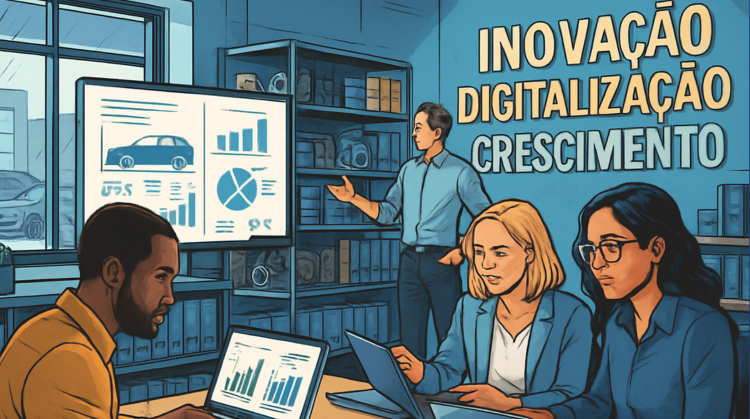
For a long time, the automotive sector argued that digital B2B parts sales were marginal or even counterproductive compared to the traditional model. That perception no longer holds true. Today, distributors, auto parts retailers and professional repair shops have incorporated online purchasing as a standard part of their operations, following increasingly structured processes.
The continuous growth of the Auto Parts category across marketplaces clearly shows a definitive transformation: buyers prioritize speed of supply, immediate availability and accuracy of technical information. Digital purchasing has stopped being a complement and has become a central pillar of supply within the automotive value chain.
In this context, an inevitable question arises: why should a distributor support its network of professional customers in adopting the online channel? The answer is broad and reveals an opportunity that many still fail to leverage. The digital environment is no longer an alternative, it has become an operational standard. The same repair shops and retailers that once called or sent messages to check availability now expect direct, instant and frictionless access to this information. If a supplier does not adapt to this dynamic and fails to facilitate that access, a competitor will take its place.
At the same time, digitalization directly strengthens the value chain. When points of sale sell more, distributors grow as well. Providing an up-to-date catalog, tools that simplify management and more organized processes increases the competitiveness of the entire network and positions the supplier as the preferred partner over other players.
The professionalization of the B2B buyer has also changed the game. Repair shops and auto parts retailers are no longer looking only for price: they demand clear compatibility data, complete technical specifications, real availability and the agility that only a digital channel can provide. Supporting the commercial network in this transition helps prevent lost sales caused by lack of information or absence at the critical moment.
Another key factor is internal organization. By centralizing catalogs, standardizing prices, controlling inventory and reducing errors, distributors not only streamline their daily operations but also improve profitability. Operational clarity and consistency become essential in a market that demands immediate responses.

In addition, commercial reach expands without the need to increase physical structures. The network can attract new customers, from repair shops to fleets or small retailers, without relying exclusively on in-person sales representatives or visit cycles that often fail to cover real demand. Greater reach for them also means higher volume for the distributor.
Finally, supporting the network with technology, training and ongoing support completely redefines the supplier’s role. It is no longer just about delivering products it is about enabling opportunities. Competing solely on price loses relevance when value, guidance and solutions that simplify daily commercial operations are offered.
The market has already changed. Buying habits have changed as well. The real question is whether distributors are ready to seize this transformation before their competitors do. Because selling online is no longer a trend, it has become a concrete way to grow.
-1.png)