 By
By
As the vehicle fleet in Brazil ages, demand for replacement parts continues to grow.
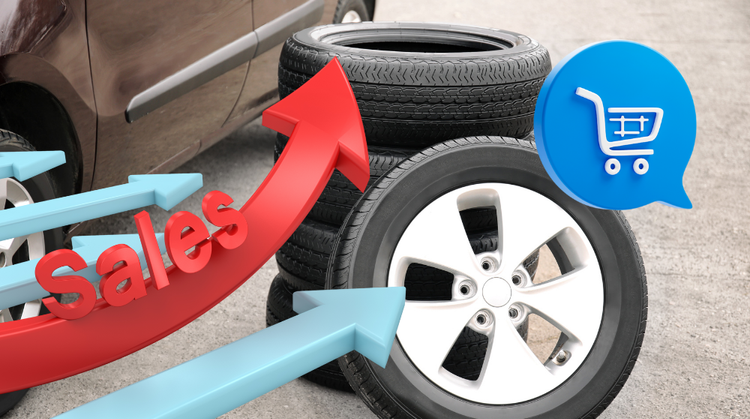
At the same time, e-commerce has played a central role in how repair shops, retailers, and end consumers access these parts. According to the Global Payments Report by Worldpay from FIS, e-commerce in Brazil grew 20% over the past three years, with projections reaching 55.3% by 2025. This growth has also had a clear impact on the auto parts market.
Increased demand for parts for older vehicles
Contrary to what one might imagine when talking about “old cars,” most of the fleet currently in circulation requiring maintenance is not made up of classic vehicles, but rather models manufactured before or shortly after 2010. According to Sindipeças, more than half (55%) of the Brazilian fleet is between 6 and 15 years old. Vehicles up to 5 years old account for only 28% of the fleet.
The scenario is similar in other countries in the region. In Argentina, for example, the average age of vehicles in circulation increased from 11.7 years in 2019 to 12 years in 2020, according to The Logistics World website. These figures highlight a trend that directly impacts the parts market: older vehicles require more maintenance and specific parts, which are often difficult to find in traditional brick-and-mortar stores.
Digitalization fills gaps in the aftermarket
With the difficulty of finding parts for discontinued models, repair shops and consumers have sought faster and more efficient alternatives. E-commerce has become a practical and reliable solution. Digital platforms have begun offering comprehensive catalogs with a wider variety of brands and models, making it easier to identify and purchase the correct parts.
According to Fenabrave, the number of Brazilians purchasing vehicles over 11 years old increased from 17.8% in 2019 to 25.5% in 2022. This aging fleet has also expanded the aftermarket, including not only parts but also accessories and maintenance-related services.
Manufacturers and distributors invest in digitalization
Auto parts manufacturers and distributors have been investing in the digitalization of their catalogs and integration with online sales platforms. Brands such as Bosch, BMW, and GM are already present in the digital environment, offering end customers a more intuitive browsing experience with standardized technical specifications and compatibility filters by vehicle model and year.
In addition, price and inventory automation allows real-time adjustments, reducing the risk of errors and preventing stockouts. Digitalization also facilitates data sharing among manufacturers, distributors, and retailers, optimizing supply and overall supply chain management.
Benefits for repair shops, retailers, and consumers
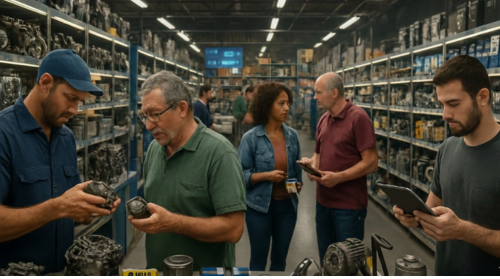
Digital transformation in the auto parts sector goes beyond convenience. It allows a small repair shop, for example, to quickly find the correct part without relying on calls to multiple suppliers. Retailers can compare delivery times and conditions, improving their operations. For end consumers, there are more options, competitive prices, and greater confidence when viewing the correct part with images and detailed information.
This trend is expected to continue gaining momentum, especially given Brazil’s geographic reach. With internet access and increasingly efficient logistics, online stores can serve customers in all states, including regions with fewer specialized physical stores.
The strategic role of e-commerce in parts sales
More than an alternative, selling auto parts online has become a strategic necessity for companies in the sector. Manufacturers and distributors that automate their catalogs and logistics processes gain speed, expand their reach, and reduce operating costs.
Even if the future of the Brazilian fleet remains uncertain—whether it will continue aging or undergo renewal—replacement parts will remain in high demand. Being prepared to meet this demand efficiently and digitally is now a decisive competitive advantage.
-1.png)