 By
Chinese brands accounted for 19.2% of the cars and light commercial vehicles registered in Brazil from January to October 2026, and for 22.7% in October alone, according to K.LUME Consultoria. The aftermarket is still trying to keep pace. For those who manufacture, distribute or sell auto parts, the fleet arriving now is the repair shop demand of the coming years, and the catalog needs to be ready before it gets there.
Chinese parts are already arriving in volume
According to Sindipeças, China supplied 26.9% of all auto parts imported by Brazil in August 2026, equivalent to US$585.3 million and a 55.6% increase over August 2025. From January to August, Chinese components totaled US$3.78 billion, 31.1% more than in the same period of the previous year.
In August, China’s share exceeded the combined total of the next three suppliers: Germany (8.8%), the United States (8.4%) and Mexico (7.8%). According to Sindipeças, part of this movement reflects the replacement of traditional suppliers with Chinese alternatives and changes in automakers’ global strategies. Another part comes from the Chinese automakers themselves, which usually begin operating in the country by assembling vehicles that arrive partially or fully knocked down. This model reduces the initial investment but maintains dependence on imported components such as batteries, electric motors and electronics.
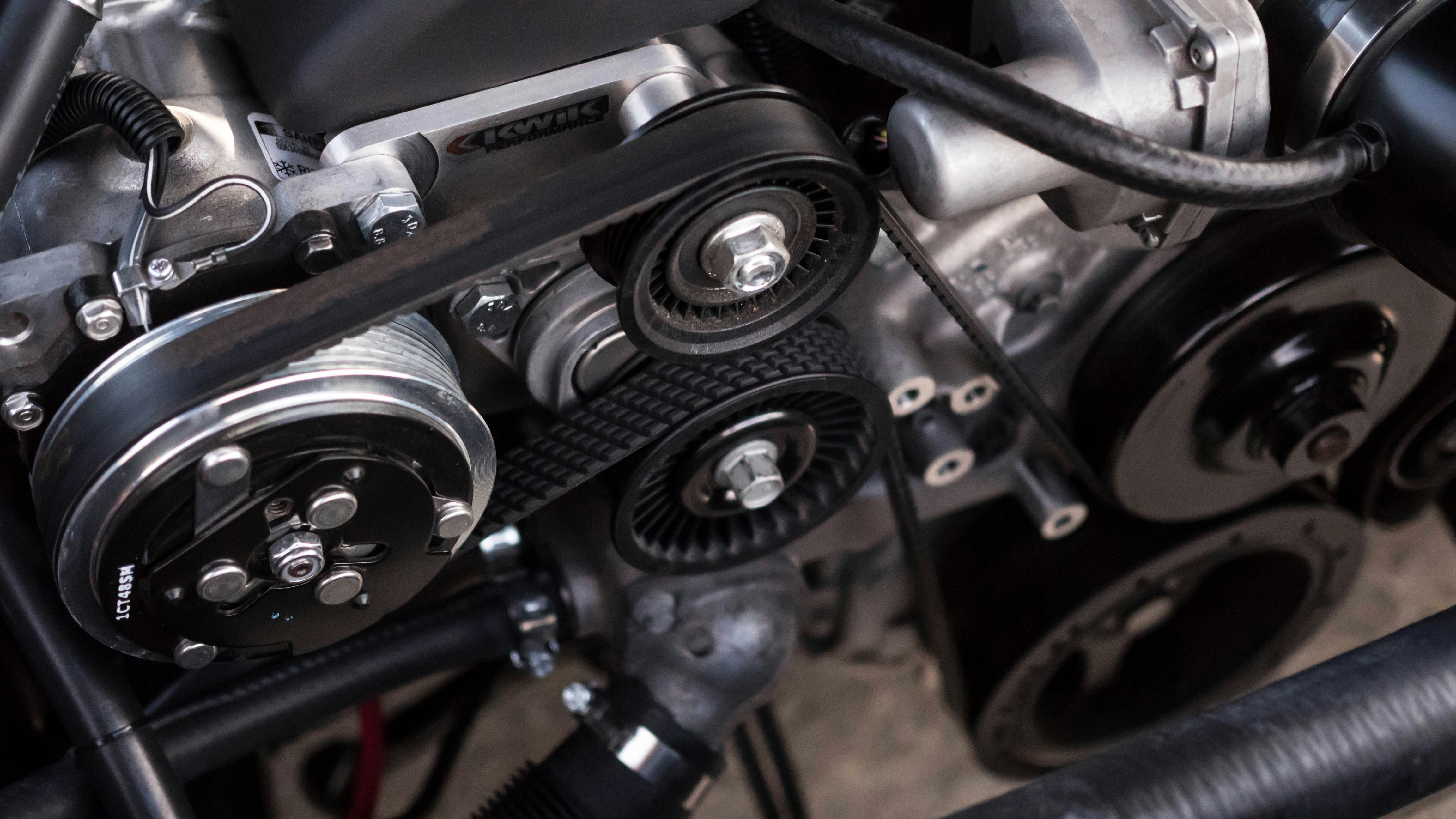
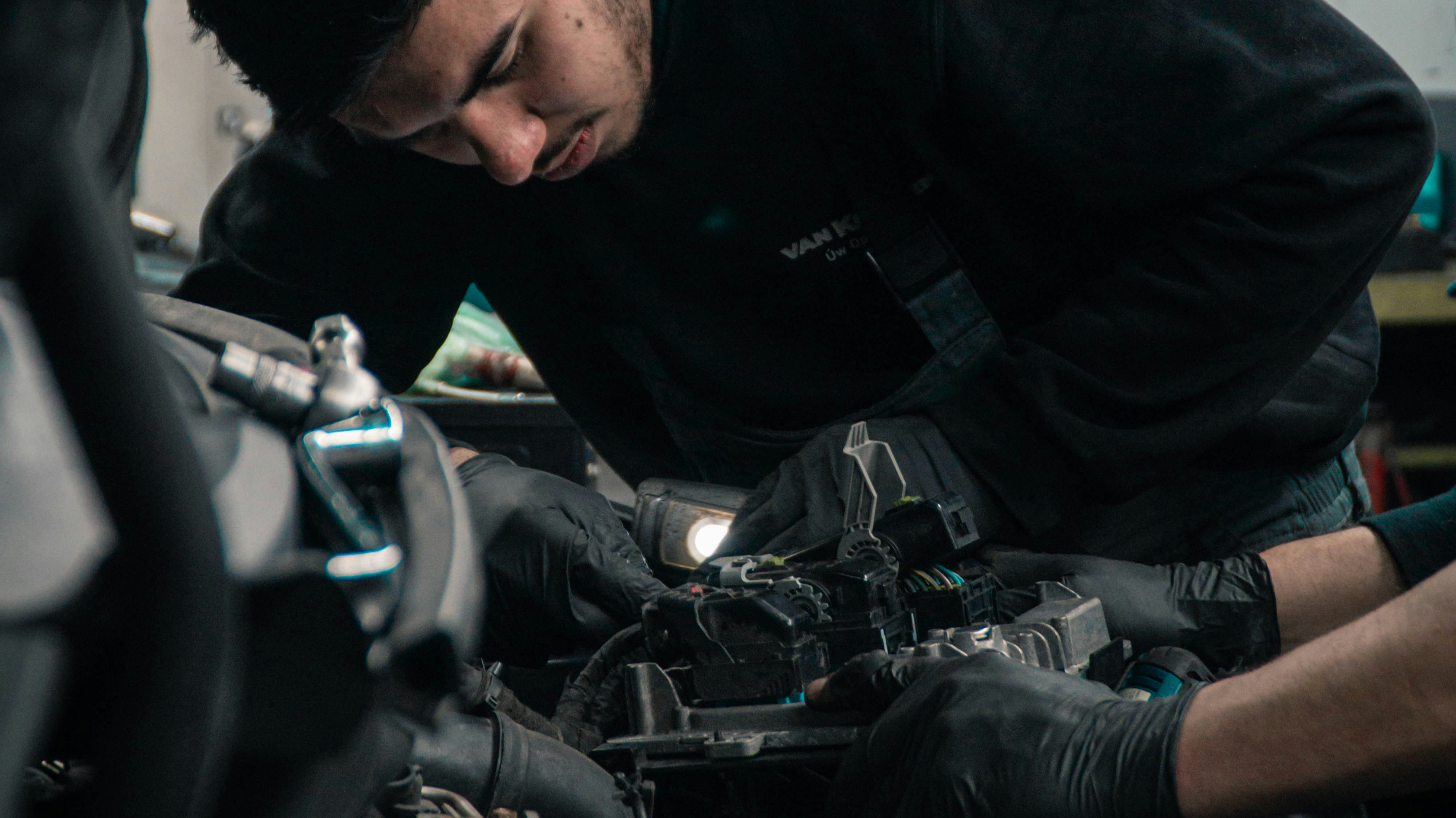
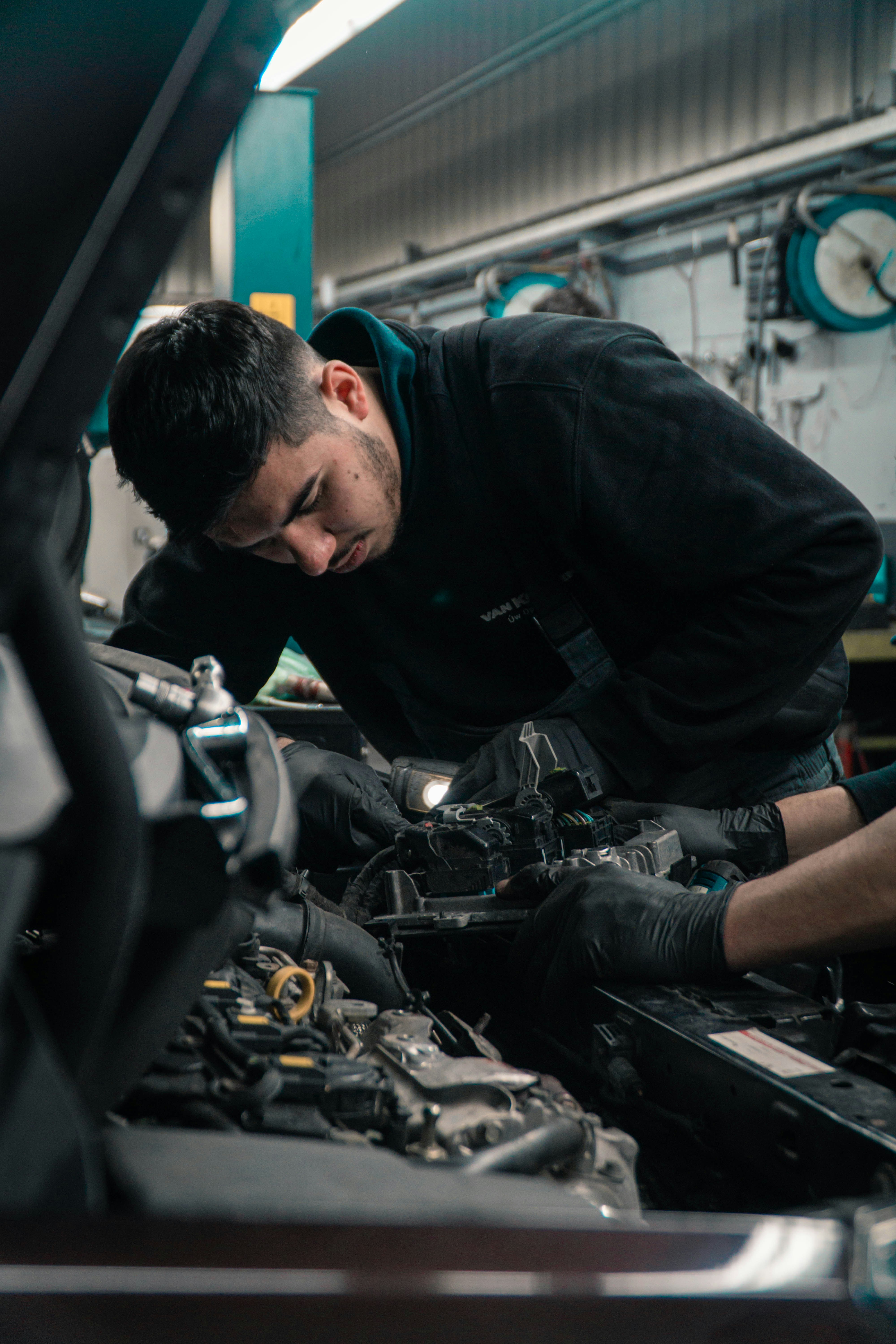
Foto de Chad Kirchoff na Unsplash
Where the wait shows up
For car owners, the problem appears after a collision or a breakdown. A report by Garagem 360 points out that, among the recently arrived Chinese brands, the main bottlenecks are in glass, body panels and onboard electronics. When the item is not in domestic stock, importing it can take 30 to 90 days.
The same report notes that wear parts, such as filters, brake pads and some suspension items, sell faster and are usually easy to find. The wait grows when the repair depends on a specific component, one with low demand or one exclusive to a single version. Since keeping all of this in stock requires capital and space, these items tend to be concentrated in a few locations or depend on special orders.

What changes for those who sell parts
Each new brand brings models, versions and part numbers that do not yet exist in the catalogs of most distributors and stores. When a repair shop looks for a part for a newly arrived model and cannot find the application listed, the sale goes to whoever listed it first, or simply does not happen.
Three measures make a difference at the counter and in online listings. The first is to register the new applications with model, year, version and engine, so the shop’s search leads to the right part. The second is to link the manufacturer’s original part number to the aftermarket part, since that is how many mechanics search. The third is to show real stock, including stock at other locations in the network, so the buyer knows whether the part will arrive tomorrow or in two months.
When the catalog is centralized, as in the platforms Alephee operates for manufacturers and distributors, an application registered once reaches the entire reseller network, instead of being redone store by store.
Much of this fleet is still under factory warranty and is serviced at the brands’ own dealerships. When the warranty ends, maintenance will move to independent repair shops, which will look for these parts at the counter and on marketplaces. Whoever has the right applications in their catalog by then will show up first in that search.